Buying a home in Show Low from miles away can feel risky, especially when you are trying to judge a property through a screen. You want to know more than whether the kitchen looks nice. You need to understand the lot, access, condition, and what day-to-day life might really feel like. The good news is that a well-run virtual showing can answer many of those questions and help you move forward with more confidence. Let’s dive in.
Why virtual showings matter in Show Low
Show Low is not a one-size-fits-all market. The city sits at 6,412 feet in elevation and serves as a hub for the White Mountains, with the city profile noting both its mountain setting and its role in tourism and regional services. For many buyers, that means looking at primary homes, seasonal properties, or second homes from outside the area.
If you are shopping remotely, a virtual showing is not just a convenience. It is a key decision-making tool. According to the National Association of REALTORS®, virtual tours help you understand how a home flows and how spaces connect, which is especially important when you cannot walk through the property in person.
What a good virtual showing should include
A strong virtual showing in Show Low should go beyond polished listing photos. You need a realistic look at the property from the street to the back boundary, along with a clear sense of condition, layout, and setting.
Start with the approach and exterior
Before you focus on finishes, ask to see how the home sits on the lot. That includes the street approach, driveway, parking areas, and how you enter the property. For mountain-area homes, these details can affect ease of access, visibility, and everyday use.
Arizona’s Mountain Home Hunters recommends that out-of-area buyers request live video tours that include the driveway, street approach, lot boundaries, and sun exposure. Their White Mountains relocation guide also suggests drone imagery or survey overlays when a property includes acreage, which can be especially helpful when boundaries are not obvious from the ground.
See how the lot really works
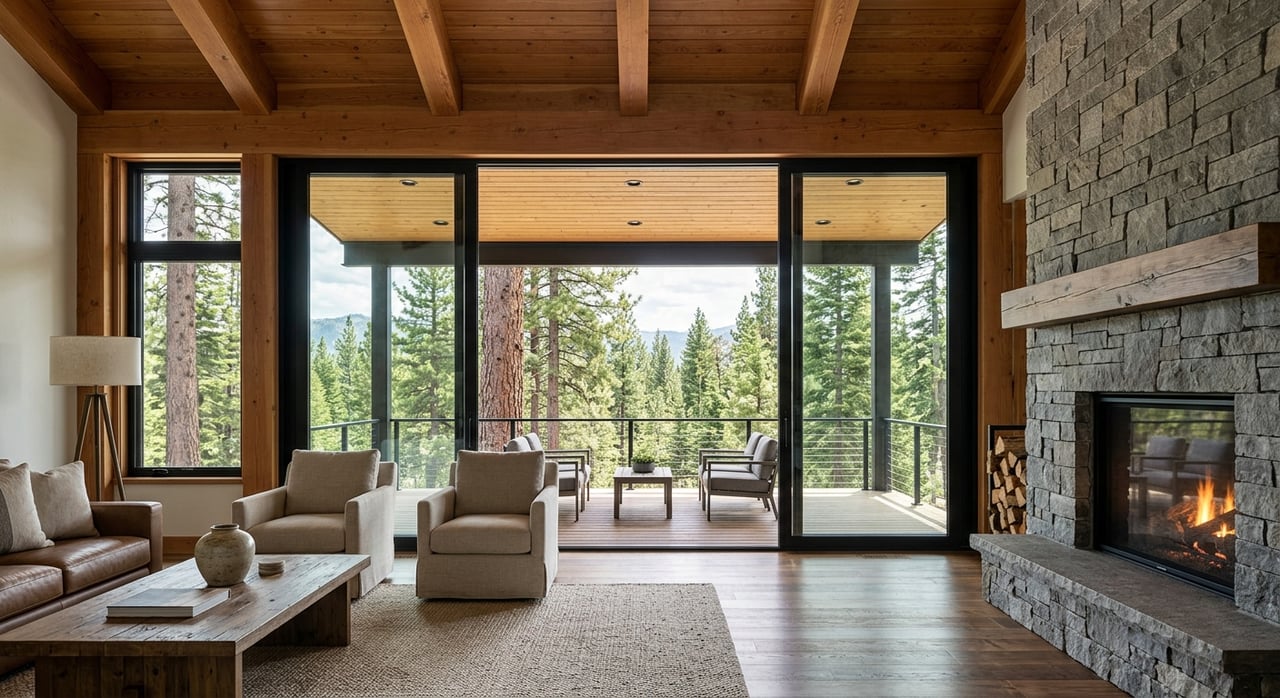
In a remote showing, the lot matters almost as much as the house. You should be able to see grading, trees, outdoor living areas, retaining features, and the relationship between neighboring properties. If there are views, ask for a slow pan so you can understand what is visible from the deck, windows, and yard.
This is also the time to ask about orientation. Sun exposure can affect how a home feels through different seasons, especially in a mountain climate. A live walkthrough can help you understand where light enters, how shaded the lot is, and how usable outdoor areas may be throughout the day.
Walk the home in real time
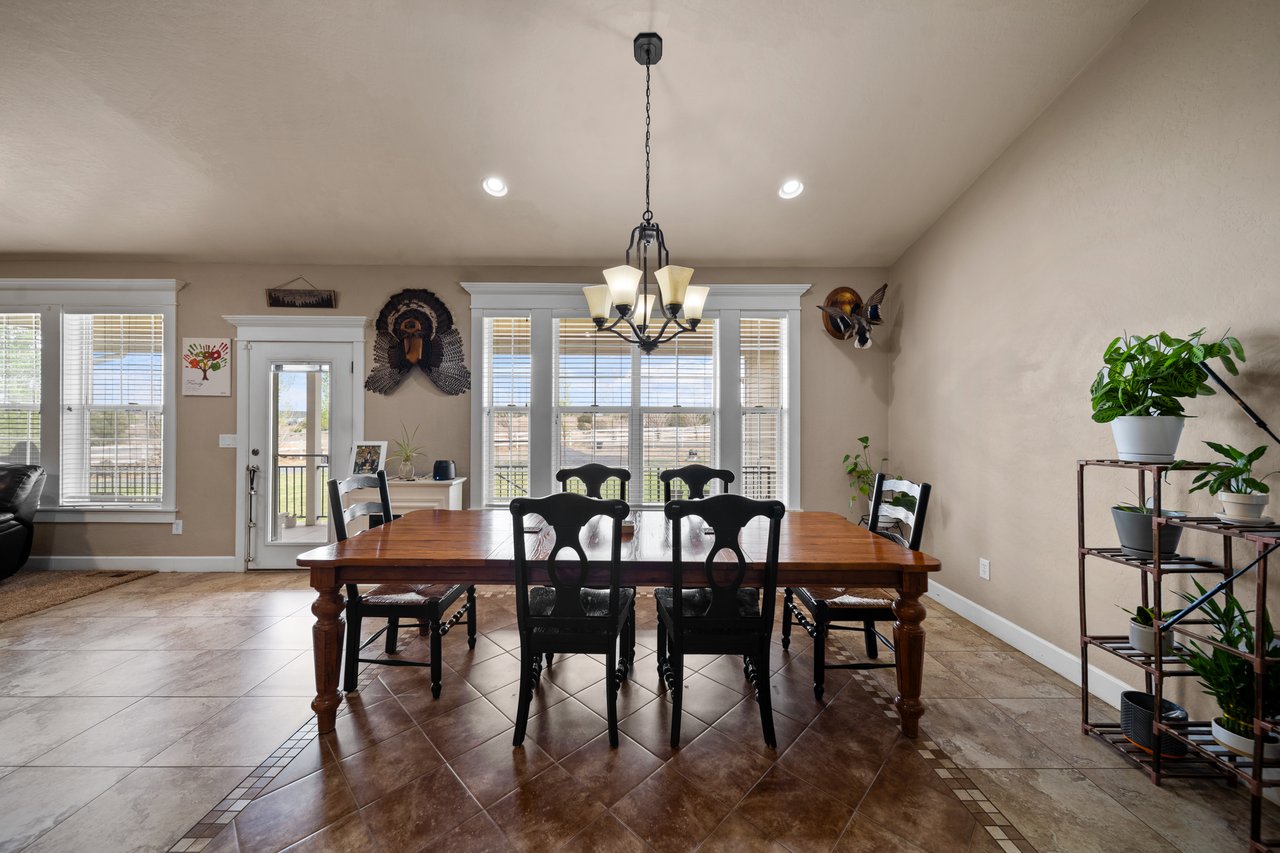
A live video tour gives you something listing photos cannot: context. You can watch how rooms connect, whether hallways feel narrow or open, and how ceilings, windows, and traffic flow work together.
Ask the person giving the showing to move slowly and naturally. A steady walkthrough can reveal scale, sightlines, and details that matter to your lifestyle, whether you need guest space, work-from-home flexibility, or easier single-level living.
Show Low details remote buyers should not miss
When you buy in a mountain market, there are local condition items that deserve extra attention. A virtual showing should help you spot them early so you can decide what to investigate further during inspections.
Wildfire preparedness features
The City of Show Low wildfire preparedness resources encourage residents and visitors to create defensible space, prepare for evacuation, and think ahead about wildfire readiness. For remote buyers, that makes the exterior video especially important.
During a showing, ask to see:
- Roof condition from visible angles
- Tree and brush spacing near the home
- Driveway width and ease of access
- Deck areas and exterior surfaces
- The area around outbuildings or fences
These visuals can help you ask better follow-up questions and prepare for inspections or property maintenance planning.
Heating, insulation, and utility systems
For many remote buyers, the prettiest part of a home is not the most important part. Arizona’s Mountain Home Hunters advises buyers to gather disclosures and property documents early, with special attention to well, septic, access, roof, chimney or stove, heating, and insulation in White Mountains transactions. That guidance appears in their regional remote-buying guide.
Even if a property is connected to standard utilities, you should still ask the showing agent to point out visible system components when possible. This helps you build a checklist for inspection and gives you a more complete picture of the home before you travel or write an offer.
Drainage and flood questions
Flood research can be confusing if you are not local. Navajo County Flood Control notes that it provides flood-hazard information for unincorporated areas, but not for incorporated communities such as Show Low, and lenders decide whether flood insurance is required.
That means a remote buyer should not assume flood exposure based on a quick map search alone. During a virtual showing, ask to see slope, drainage paths, low spots, and how water may move around the structure. Then confirm parcel-level flood and insurance questions before closing.
How virtual showings fit into the buying process
A virtual showing is one step in a larger remote-buying system. It helps you narrow choices, compare homes, and decide when to move into inspections and contract steps.
Use the showing to build your due diligence list
As you watch the property, keep a running list of questions. Ask about age of major features, access issues, storage, HOA details if applicable, and anything that looks different from the listing photos.
This is also the right time to request documents. The regional guidance from Arizona’s Mountain Home Hunters suggests collecting seller disclosures, utility maps, and inspection-related information early so you can review facts before deadlines get tight.
Plan inspections after offer acceptance
Even if a home looks great on video, you should still follow the standard closing process. The Consumer Financial Protection Bureau says buyers should expect to provide documents, schedule a home inspection, arrange homeowner's and title insurance, and review the Closing Disclosure carefully before signing.
Virtual showings help you make informed choices, but they do not replace inspections or document review. Think of them as the first layer of clarity, not the final step.
Can you really close remotely in Arizona?
In many cases, yes. Arizona offers tools that can make remote closings much more manageable for out-of-area buyers.
Remote notarization options
According to the Arizona Secretary of State, remote online notarization uses audio-visual technology over the internet, along with identity verification, electronic signatures, and an electronic seal. The same source explains that this is different from electronic notarization that still requires an in-person meeting.
For remote buyers, this can simplify parts of the signing process. It is one reason digital transactions are far more workable today than they were a few years ago.
Recording can happen without a courthouse visit
Navajo County recording information notes that documents can be recorded remotely through county kiosks and that recording fees are the same whether documents are returned by mail or e-recorded. For a remote buyer, that supports a closing process that does not depend on being physically present at the courthouse.
In practical terms, that can reduce stress when you are coordinating a purchase from Phoenix, another Arizona city, or out of state.
A quick note on travel logistics
Some buyers handle nearly everything remotely, then make one final trip for inspections, walkthroughs, or move-in planning. Others prefer to visit earlier in the process. Either way, local access matters.
The Show Low airport page notes that Show Low Regional Airport is served by Contour Airlines, although schedules can change. For out-of-area buyers, that may make planning a quick property trip easier than in markets without nearby commercial air service.
What current market numbers can and cannot tell you
Remote buyers often want one clean market number before they act. In reality, housing data depends on the source and the method used.
The research available here shows that Redfin's Show Low market page reported a March 2026 median sale price of $475,000 and 36 median days on market, while Zillow reported a different average home value and pending timeline as of late February 2026. These are better used as directional signals than exact side-by-side benchmarks.
That is another reason virtual showings matter. In a market with mixed pricing signals, seeing the actual property condition, lot use, and setting can help you judge value more clearly than broad averages alone.
How local guidance can make remote buying easier
When you are not in town, responsiveness matters. You need clear communication, honest eyes on the property, and a process that keeps details from slipping through the cracks.
Arizona’s Mountain Home Hunters positions its service around virtual tours, coordinated inspections, and online closing support for White Mountains buyers. That local, hands-on approach is especially useful when you are trying to evaluate Show Low homes from a distance and want a calm, organized path from showing to closing.
If you are planning a remote move or second-home purchase in the White Mountains, connecting with a local team can help you ask smarter questions, spot property-specific issues earlier, and move forward with more confidence. When you are ready, reach out to Paulina Schubel for practical, local guidance tailored to your Show Low home search.
FAQs
What should a virtual showing in Show Low include for remote buyers?
- A strong virtual showing should include the street approach, driveway, parking, lot layout, views, exterior condition, room flow, and visible property features that may affect access, maintenance, or daily use.
Can you buy a Show Low home without being there in person?
- In many cases, yes. Virtual showings, digital documents, remote notarization options, inspections, and remote recording tools can support a long-distance purchase process.
What property risks should remote Show Low buyers ask about during a video tour?
- Ask about wildfire-related exterior conditions, drainage, visible roof and vegetation details, heating features, insulation, access, and any well or septic information if applicable.
How do remote closings work for Show Low real estate purchases?
- Remote closings may involve digital document delivery, identity verification, remote online notarization when available, title coordination, and county recording options that do not require an in-person courthouse visit.
Are Show Low market statistics enough to judge a home's value remotely?
- No. Market statistics are useful for general context, but a live virtual showing helps you assess the home's layout, lot, condition, and setting, which are all important when comparing value in a mountain market.