Craving cool pines and a relaxed mountain base you can enjoy year-round? If you are eyeing a second home in Pinetop-Lakeside, you likely want clear steps, local rules, and a real sense of costs before you buy. This guide gives you the essentials to shop smart in 85929, from short-term rental licensing to inspections, insurance, and remote closing options. Let’s dive in.
Why choose Pinetop-Lakeside
Set at about 6,800 feet, Pinetop-Lakeside offers a true four-season setting with mild summers and snowy winters that draw visitors for outdoor recreation. The area’s elevation, climate, and year-round appeal shape demand and rental potential if you plan to host guests in peak and shoulder seasons. You can verify basic town context and elevation on the Pinetop-Lakeside overview page. Learn more about the community’s setting and climate.
What you can buy in 85929
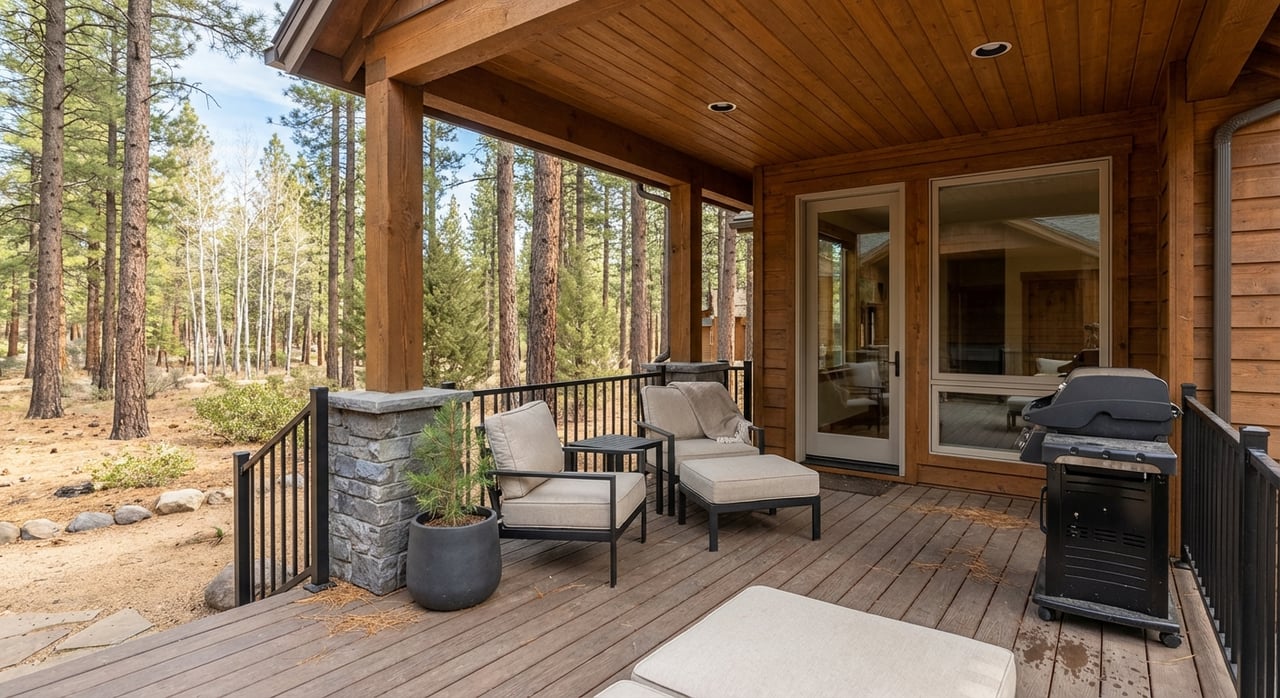
Most active listings read as classic mountain cabins. You will often see 1 to 4 bedrooms, vaulted ceilings, wood stoves or fireplaces, large covered decks, and lots from about a quarter acre to over an acre. Roofs are typically pitched or metal, and garages and guest cabins are common.
Utility setups vary. Some homes connect to municipal or district water and sewer, while others rely on private wells and septic systems. Always confirm the water source, sewer type, and utility providers in the listing and during due diligence. You can verify public water systems that serve Navajo County addresses using the state’s database. Check Arizona’s water system index for Navajo County.
Market snapshots on public portals can vary by source and timing, so treat any median price you see online as a moving target. Ask your agent for a current MLS pull with recent comparable sales before you set your budget or write an offer.
Short-term rental rules and taxes
If you plan to rent your property for stays under 30 days, the Town of Pinetop-Lakeside requires a short-term rental license. The town outlines the process, documents, and fees, including the current $250 annual license. You must also have an Arizona Transaction Privilege Tax (TPT) number and carry appropriate liability insurance.
Key highlights from the town’s guidance:
- You need a valid Arizona TPT number before the town will issue the license.
- Provide proof of liability insurance. The town requires evidence of at least $500,000 aggregate liability or equivalent platform coverage.
- List a local emergency contact who can respond within the town’s required timeframe.
- Complete neighbor notification as part of the application.
You will also collect and remit lodging taxes on short stays. The town lists a combined lodging tax of 12.38 percent for short-term rentals. Always confirm the current rate before you forecast rental income or set pricing. Review the town’s permit instructions for full details. See the town’s short-term rental permit requirements.
For ordinance language and potential penalties, review the town code chapter that covers STR licensing. Read the short-term rental ordinance.
Quick STR permit checklist
Gather these items before you apply with the Town of Pinetop-Lakeside:
- Arizona TPT license number
- Proof of liability insurance meeting the town’s coverage requirement
- Local emergency contact information
- Neighbor notification attestation
- Property details as requested in the application (owner info, address, map or site details as needed)
Costs to expect and how to budget
Second homes come with seasonal and location-specific expenses. Build a realistic budget using the categories below and verify each item for the exact property you choose.
Property taxes. Navajo County’s average effective property tax rate often falls around 0.6 to 0.7 percent, though the actual bill varies by parcel and levy mix. Use the county assessor or treasurer to estimate taxes for a specific property. See Navajo County tax data context.
Insurance. Mountain cabins face winter weather and wildfire exposure, which can affect coverage and premiums. Some carriers may require mitigation steps like defensible space or ember-resistant vents before binding. Get quotes early in your process. Review Arizona homeowner insurance guidance.
Utilities and routine maintenance. Confirm whether the property is on district water or a private well and if it uses a septic system. Budget for septic pumping and inspections, possible water treatment, and occasional well pump or septic repairs. Plan for annual chimney or wood stove servicing, deck and roof upkeep for snow load, and snow removal.
STR taxes and compliance. If you host short stays, register for TPT, license with the town, and collect and remit lodging taxes. The town currently cites a combined STR lodging tax of 12.38 percent; confirm rates before publishing any rental revenue projections. Review the town’s STR permit page for current steps.
Wildfire mitigation. Many local properties benefit from thinning, defensible space, and ignition-resistant materials. These steps can help with safety and may support insurability. Pinetop-Lakeside has participated in community wildfire planning and mitigation projects. See the community wildfire planning overview.
Seasonal to-dos for remote owners
- Winterization and spring startup for plumbing and irrigation
- Annual chimney and wood stove inspections
- Gutter, roof, and deck checks after snow season
- Driveway and access maintenance for snow and ice
- Remote monitoring tools for water leaks and smoke
- Local caretaker or property manager for periodic visits and guest support
Step-by-step buying process for out-of-state buyers
Here is a practical, remote-friendly path from search to closing.
Research and choose your agent. Work with a local MLS agent who knows cabins, wells and septic, and the STR rules. Ask for recent comparable sales and insight on seasonal demand if you plan to rent.
Decide how you will finance. If you use conventional financing for a true second home, typical underwriting supports up to about 90 percent loan-to-value for eligible second homes, with stricter credit and reserve requirements than primary homes. If your primary intent is short-term rental income, many lenders will treat the loan as an investment property, which usually requires more down and reserves. Confirm the exact criteria with your lender early.
Do virtual diligence. Ask for 3D tours, live video walk-throughs, and detailed photos. Have your agent confirm utility details, including well, septic, or district connections. Request recent utility bills and any maintenance records for heating, chimneys, septic, or well equipment.
Write a protected offer. Include contingencies for the general inspection, septic and well, clear title, HOA review, and appraisal if you finance. For homes with wood stoves or fireplaces, add a chimney and heating system inspection. If the home has a private well, include a well flow and water quality test, and a full septic inspection.
Schedule inspections and specialized tests. Your inspector can identify issues typical to mountain cabins, like roof age and snow load concerns. For private wells, test for bacteria and common local contaminants, and verify pump performance. For septic, get a professional inspection and review service records.
Close fully remote if you prefer. Arizona supports Remote Online Notarization, and many title companies can run a complete e-sign and e-recording workflow. Navajo County accepts electronic recording through approved vendors, so you can finish the transaction from out of state with a title team that handles RON and e-recording. See Arizona’s eNotary guidance and Navajo County’s e-recording FAQ.
Set up post-closing basics. Transfer utilities, enroll with the HOA if applicable, and line up a local caretaker or manager. If you plan to rent short term, designate a local emergency contact, register for TPT, and submit your town STR license. Start with the town’s STR license page.
Documents to request before you offer
- Seller’s property disclosure and any recent inspection reports
- Utility details and recent bills (electric, water, propane)
- Well logs and septic pumping or inspection records, if applicable
- HOA CC&Rs, rental rules, meeting minutes, and any transfer fees
- For STR properties, the current town STR license number and proof of tax remittance
Remote-friendly support you can expect
Buying a second home from the Valley or out of state does not have to be complicated. You can rely on guided virtual showings, quick on-the-ground visits when needed, digital document management, and a title partner that supports remote online notarization and e-recording. A local team can coordinate inspectors, vet utility details, confirm HOA rules, and keep the timeline tight so you can enjoy the cabin sooner.
Ready to map your search or get a current MLS snapshot tailored to 85929? Reach out to Paulina Schubel for local guidance and a smooth, remote-friendly plan from first tour to keys.
FAQs
Do I need a town license to offer short-term rentals in Pinetop-Lakeside?
- Yes. The Town of Pinetop-Lakeside requires an annual STR license for stays under 30 days, including a $250 fee, TPT registration, liability insurance, a local emergency contact, and neighbor notification; see the town’s guidance for details: Short-term rental permit.
What is the current lodging tax rate for short-term rentals in Pinetop-Lakeside?
- The town cites a combined lodging tax of 12.38 percent for STRs; confirm the current rate with the town and state before setting rental pricing: Town STR guidance.
How do second-home loans differ from investment property loans?
- Conventional second-home loans often allow up to about 90 percent loan-to-value for eligible second homes, but if the lender views the property as primarily income-producing, it may be underwritten as an investment loan with higher down payment and reserves; discuss intended use with your lender early.
Are private wells and septic systems common in 85929, and what should I test?
- Yes. Many cabins use private wells and septic systems; include a well flow and water quality test and a full septic inspection in your contingencies, and confirm any public water system connections using the state database: ADEQ water systems index.
Can I close remotely and record the deed in Navajo County?
- Yes. Arizona allows Remote Online Notarization and Navajo County accepts e-recording via approved vendors, enabling a fully remote closing with a capable title company: Arizona eNotary guidance and Navajo County e-recording FAQ.