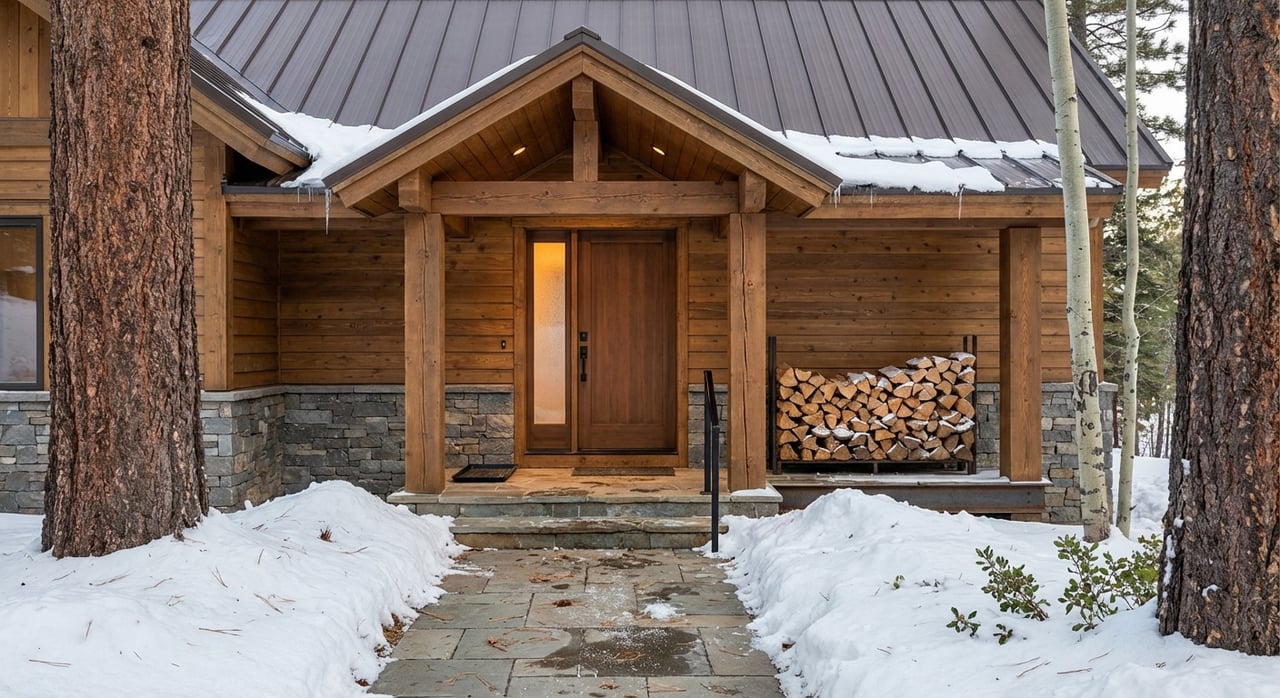
Thinking about a cabin in Greer that you enjoy a few months at a time? You’re not alone. Many second‑home owners are drawn to Greer’s cool summers, quiet shoulder seasons, and snowy winters that feel a world away from the desert. In this guide, you’ll learn what seasonal living really looks like here, how to plan for access and upkeep, and the key checks to make before you buy. Let’s dive in.
Why Greer works for seasonal living
Greer sits at roughly 8,400 feet in Arizona’s White Mountains with a year‑round population of 58, which swells in summer when cabins and lodges fill up. You reach it via State Routes 260 and 273, about 20 minutes from Springerville and around 45 minutes from Show Low. The location is scenic and quiet, with limited year‑round services and a busier summer season when most shops and outfitters run full hours. You get four true seasons and a small‑town pace that invites you to slow down. Greer’s snapshot and access details are helpful when you plan travel and supplies.
Seasons at a glance in Greer
Spring: thaw and prep
Expect a slow melt in March and April with chilly nights that can flirt with freezing. By late spring, daytime highs often reach the 50s to 70s, trails begin to reopen, and fishing improves as snowpack fades. Plan for variable access to forest roads and higher trailheads while you knock out maintenance and restock supplies. For a feel of typical spring conditions, review Greer’s climate summary and local season notes from Greer Lodge.
Summer: peak season and monsoons
Summer days commonly sit in the mid‑60s to mid‑70s with cool evenings, which is a big reason Greer is so popular. July and August often bring afternoon monsoon storms, so plan outdoor activities for mornings and keep rain gear handy. This is the busiest time for lakes, trailheads, and local businesses.
Fall: color and calm
September is mild, then October cools quickly and the aspens turn. Visitor numbers drop after Labor Day except for peak color weekends. It is a great window for quiet hikes, photos, and scheduling any last maintenance before winter.
Winter: real snow and planning
Winters are cold with regular snow and sub‑freezing nights. Skiing at Sunrise Park Resort kicks in with good snow, and snowshoeing or sledding are common. Expect some forest road closures and plan for 4WD, chains, or winter tires as needed. Snow totals vary by source and by season, so verify conditions before you travel using a local climate reference and real‑time updates.
Recreation by season and access
Lakes and fishing nearby
Big Lake is a major summer draw with boat rentals, campgrounds, and a tackle store with seasonal hours. Check the Big Lake Tackle & Supply site for current offerings. The Greer Lakes sit close to the village and are favorites for trout fishing and quick paddles. Stocking and access change year to year, so review the Arizona Game and Fish fishing report and notices before you plan a trip. Some waters on or near the Fort Apache Reservation may require tribal permits, so confirm rules in advance.
Trails and day hikes
From streamside walks along the East Fork of the Little Colorado to high‑country routes near Mount Baldy, you have options for every season. Trail and forest road access can shift with snow or mud, especially in spring and winter. Check USFS notices through the Apache‑Sitgreaves National Forest before you head out and use Greer’s overview for context.
Sunrise Park Resort
Downhill skiing anchors winter fun here, and the resort offers growing summer activities like ziplining and scenic lift rides. Hours and terrain vary with weather, so always confirm the latest on the Sunrise Park Resort site.
Owning a second home: systems and services
Water and septic basics
Many cabins rely on private wells and onsite wastewater. Ask for the well log, pump specs, recent water quality tests, and septic design, permit, and pumping records as part of due diligence. The ADEQ program page outlines Arizona’s onsite wastewater standards, which is useful if a system is older or you plan to rent. See ADEQ’s onsite wastewater guidance and this practical owner checklist from our team.
Heat, power, and internet
Common setups pair electric service with propane and a wood or pellet stove. Many owners keep a backup generator for outages and set up regular propane service before winter. Internet and cell coverage are very location dependent in the White Mountains, so test on site and talk to neighbors. You will find options like fixed wireless and satellite, including consumer satellite broadband in some spots. Our Greer cabin life guide covers practical tips for reliable service.
Access, plowing, and snow plans
State highways are maintained, but private drives and some local roads are not. Before you buy, ask sellers for written road maintenance or plowing agreements and any records of winter access issues. If you will be away for long periods, line up a local contact or property manager who can check the home after storms and coordinate snow removal. Simple planning here prevents winter surprises.
Rental strategy and taxes in 2025
Arizona updated its guidance as of January 1, 2025. Long‑term residential rentals of 30 days or more are no longer subject to city Transaction Privilege Tax under the new rules. Short‑term rentals under 30 days remain taxable under the transient lodging classification, which typically requires TPT registration and remittance. Platforms may collect some taxes, but you must verify full compliance and any county or HOA requirements. Review the current ADOR Residential Rental Guidelines and keep clean records. If renting is part of your plan, we can help you understand local norms and set realistic expectations.
Seasonal checklists for part‑time owners
Spring prep
- Inspect roof and flashing, clear gutters, and check for ice‑dam damage.
- Test well pump, pressure tank, and septic components. Schedule pumping if due.
- Restock cabin basics and verify extinguishers and alarms are operational. See our Greer cabin checklist for details.
Summer projects
- Tackle renovations while roads are fully open and contractor calendars allow.
- Confirm pest control and secure outdoor storage for monsoon storms.
- Build or refresh defensible space around structures based on current fire guidance and seasonal conditions noted by local operators.
Fall winterization
- Service heating systems and clean woodstoves and chimneys.
- Test generator, stage fuel, and insulate or heat‑tape pipes.
- Drain and winterize exterior spigots and irrigation lines.
Winter routines
- Maintain a safe thermostat setting and keep a supply kit on site.
- Confirm snow removal plans and leave a trusted local contact to inspect after storms.
- If you visit, carry chains, check weather, and verify road status first. Our owner guide outlines a simple winter checklist.
What to review before you buy
- Well documentation: well log, pump specs, recent water test.
- Septic records: design, permit, and recent pumping or inspection. Use ADEQ’s onsite wastewater page to understand standards.
- Road and snow agreements: written easements, private road maintenance, and plowing.
- Utility history: electric, propane, and any internet service bills to estimate seasonal costs.
- Rental plan: rental history if applicable and your TPT obligations under the ADOR guidelines.
Local notes on services and timing
Greer is small, with a historic restaurant, a few lodges, a general store, and outfitters that tend to run peak hours in late spring through early fall. In winter, expect shorter hours and fewer services in the village. Springerville and Show Low offer broader shopping and medical services within typical mountain driving times. For quick orientation on distances and context, use this Greer overview.
Ready to map your seasonal plan or start a focused property search? You will get straight answers, practical checklists, and hands‑on coordination from our local team. Reach out to Paulina Schubel to talk timing, budget, and next steps.
FAQs
What is Greer’s summer weather like vs. Phoenix?
- Summer highs in Greer often sit in the mid‑60s to mid‑70s with cool nights, which is far cooler than the desert and ideal for hiking and lakeside time.
How do winter storms affect second‑home access in Greer?
- Expect snow, icy nights, and some road or forest closures, so plan for 4WD or chains, a snow removal contract, and a local contact to check your home after storms.
What fishing permits or rules apply near Greer?
- AZGFD stocks local waters and updates access regularly, while some nearby lakes on tribal lands may require separate permits, so check current rules before you go.
Are short‑term rentals in Greer taxable in 2025?
- Yes, stays under 30 days remain taxable under transient lodging rules and typically require TPT registration, while 30‑day or longer rentals are not subject to city TPT.
What utilities should I verify before buying a Greer cabin?
- Confirm well and septic records, heating and backup power setup, and on‑site internet and cell coverage since service varies widely by location and terrain.