Thinking about selling your Pinedale home? In a rural market like Navajo County, the upgrades that move buyers to act are the ones that prove your place is solid, safe, and easy to live in. Buyers here look for working systems, clean documentation, and low-maintenance features over luxury finishes. In this guide, you’ll learn which pre-list projects to tackle first, what to skip, how to time your prep, and which documents to gather so you attract stronger offers with fewer surprises. Let’s dive in.
What Pinedale buyers value most
In small, rural communities, buyer pools are selective and practical. You earn trust by showing your home is reliable and ready. Most buyers prioritize:
- Functional systems with proof: roof, heating, well, septic, and electrical.
- Access and maintenance: year-round driveway condition and clear drainage.
- Safety and risk reduction: wildfire defensible space, safe chimneys and woodstoves, pest control.
- Utility and outdoor features: usable outbuildings, fencing, storage, and covered parking.
- Low-maintenance landscaping suited to the local climate.
- Clear title and land status, with easements and encumbrances explained.
High-impact upgrades that sell
Exterior and curb appeal
First impressions matter, especially in listing photos. A weekend of touch-ups can pay off.
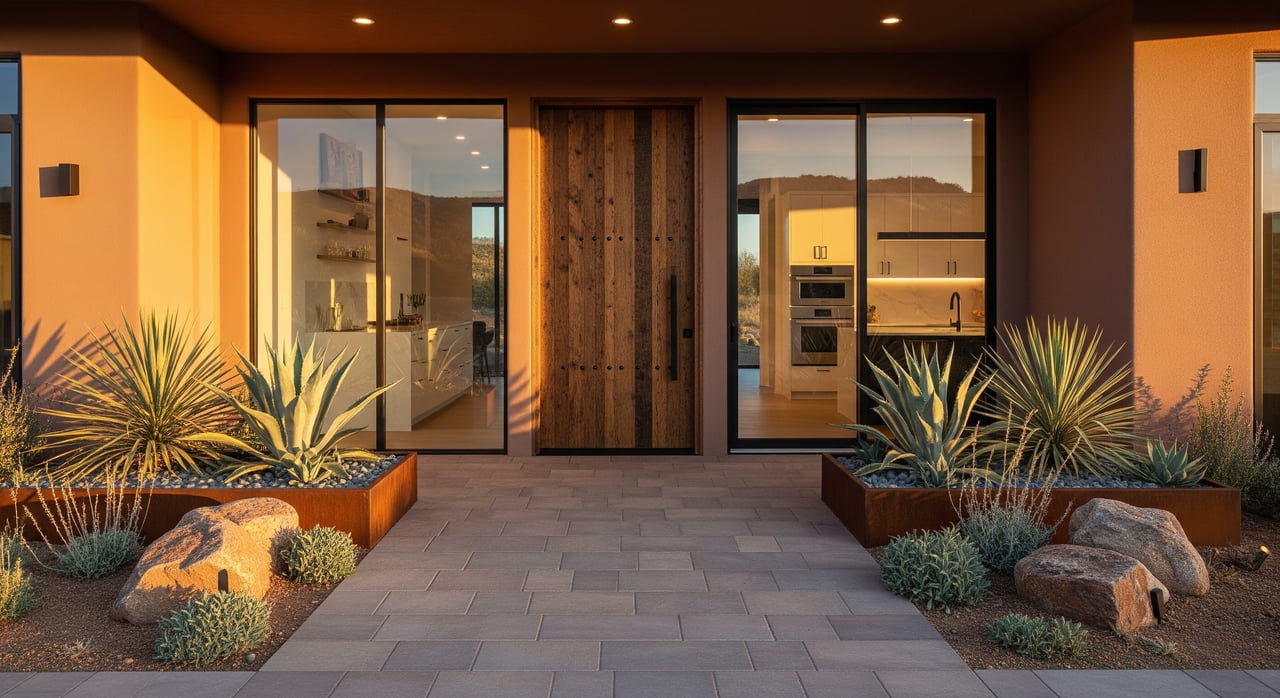
- Freshen the exterior. Power wash siding, repaint trim, and refinish or replace the front door and hardware.
- Confirm the roof. Schedule a roof inspection and complete repairs. If the roof is near end of life, a current inspection report helps buyers price risk.
- Tune up decks and porches. Secure loose boards and railings. Reseal or stain wood surfaces.
- Improve access. Grade the driveway, fill ruts, clear drainage, and make sure gates and address signage are easy to spot.
- Landscape for low water. Use native plants, rock or gravel beds, and remove dead limbs or hazardous trees.
- Create defensible space. Remove ladder fuels, clear debris close to structures, and address ember-prone features. Buyers near woodland areas value wildfire mitigation.
What to save: roof inspection report, tree work invoices, and before-and-after photos that show improvements.
Water, septic, and utilities
In rural Arizona, reliable water and wastewater systems are often decisive. Providing documentation up front can shorten contingencies and build confidence.
- Test the well. Provide recent water quality (potability) results and a yield or flow report if available.
- Inspect the septic. Obtain a septic inspection or certification per county requirements and complete any repairs. Keep maintenance records ready.
- Service heating and fuel systems. Document service for furnaces, propane tanks and lines, and woodstove or chimney cleanings.
- Tidy the electrical panel. Label circuits and resolve known hazards. Buyers notice neat, safe panels.
- Note connectivity. List providers and typical broadband or cellular options available at the property.
What to save: water test results, septic inspection and receipts, HVAC or furnace service records, and recent utility bills.
Interior cosmetic and functional updates
Cosmetics matter for photos and showings, but you do not need a high-end remodel to sell well in Pinedale. Focus on clean, neutral, and durable.
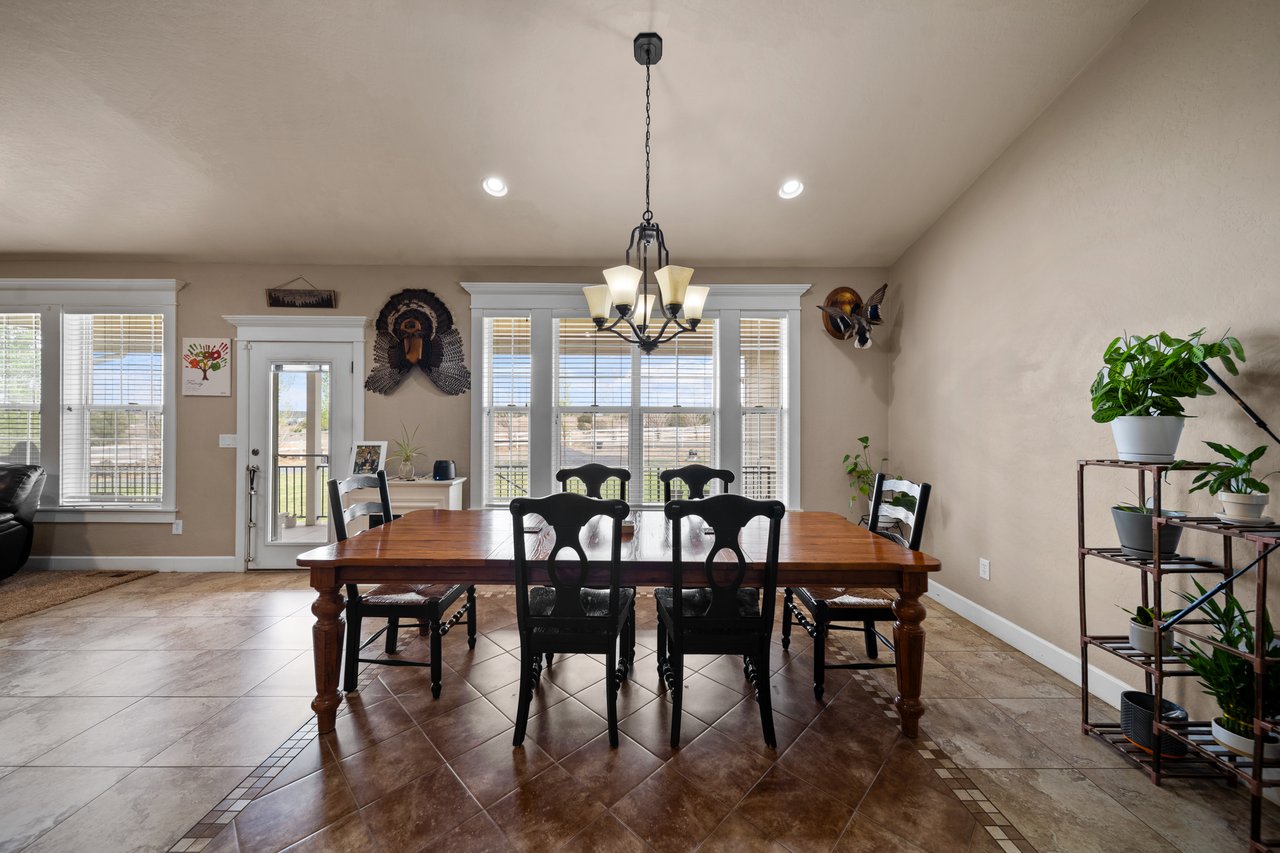
- Paint and deep clean. Neutral colors and spotless surfaces help buyers picture themselves in the space.
- Replace tired flooring. Swap heavy wear areas with durable options like laminate, engineered wood, or tile.
- Refresh the kitchen. Refinish or repaint cabinets, update hardware and faucet, and consider a practical countertop refresh rather than a full gut.
- Update baths. Recaulk, regrout, and install new fixtures, mirrors, and lighting for a crisp look.
- Improve lighting and ventilation. Make sure exhaust fans work and replace dated or burned-out fixtures.
- Remove odors. Address pet, smoke, or moisture smells. Clean ductwork and replace or deep clean carpets as needed.
- Declutter and stage lightly. Remove personal items and simplify decor so rooms feel larger and more flexible.
What to save: receipts for materials and work, warranties for included appliances, and invoices for professional cleaning.
Structural, safety, and regulatory items
Unresolved safety or permitting issues can derail a deal late in the process. Handle these early.
- Review permit history. Confirm additions, decks, and major systems were permitted. If not, prepare documentation and plan disclosures.
- Check code items. Woodstoves, chimneys, and older systems may need service or certification.
- Get a pest inspection. Address termites or rodents if activity is found.
- Prepare required disclosures. Be ready to disclose flood zones, encroachments, or known property boundary issues.
What to save: permits, inspection reports, repair receipts, and disclosure forms.
Rural property assets buyers value
If you have functional outdoor infrastructure, highlight it and show it has been maintained.
- Outbuildings and fencing. Clean, safe barns, sheds, shops, and pasture fencing are attractive for equipment and animals.
- Covered parking and storage. Carports and storage bays are a plus.
- Solar systems. Provide system size, ownership versus lease, production data, and warranties as available.
- Water rights and leases. Document any water rights, grazing leases, or easements clearly.
What to save: solar documents, maintenance records for outbuildings, copies of leases or easements.
Prioritize, budget, and timing
What to do first
These items reduce buyer risk and inspection issues. Tackle them in the first 1 to 4 weeks of prep.
- Address safety and system red flags: roof leaks, failed septic components, nonfunctional heat, electrical hazards, and water contamination.
- Order documentation: a basic well water test, septic inspection or certification, a roof inspection, and furnace or HVAC service.
- Clean and paint: deep clean, neutral paint, declutter, and lightly stage key rooms.
Next steps if time allows
With 2 to 8 weeks, move to visible improvements and midrange updates.
- Repair decks and porches, improve driveway grading, and touch up exterior trim.
- Complete pest treatment if inspection shows activity.
- Replace worn flooring in high-traffic zones and update dated lighting.
Nice-to-have projects
Reserve these for larger budgets or slower markets.
- Cabinet refacing, modest countertop upgrades, or bath fixture swaps.
- Larger landscaping projects beyond low-water upgrades.
- Major additions or structural changes, only if properly permitted and clearly increasing usable space.
Cost-effective tips
- Put documentation to work. In a small market, proof of reliability often carries more weight than luxury finishes.
- Focus on visible wear. Fresh paint, clean floors, and safe decks show well in photos and in person.
- Eliminate uncertainty. Certifying well and septic systems can keep buyer financing on track and reduce renegotiations.
Inspection, title, and local issues
Septic and well rules
Confirm county requirements for septic inspections and potable water standards before listing. Health rules govern wastewater and well testing. Buyers and lenders often require this documentation, so being ready can speed up closing.
Land status and easements
If your property is on tribal trust land or near tribal jurisdiction, the conveyance process can involve additional approvals. Confirm land status early and work with a title professional experienced in these transfers. Disclose any easements or access agreements clearly.
Financing and appraisal in rural areas
Unique or rural properties can face appraisal challenges. You help the appraiser by reducing perceived risk: provide system certifications, service records, safe access details, and maintenance logs. Expect loan contingencies tied to well and septic, and plan ahead by having those reports on hand.
Your listing prep checklist
Use this quick checklist to stay organized.
- Deep clean, neutral paint, declutter, and lightly stage high-impact rooms.
- Fix safety items: railings, steps, lighting, and trip hazards.
- Well: recent potability test and, if available, yield or flow test.
- Septic: inspection or certification and maintenance receipts.
- Heating: furnace or system service receipt; chimney or woodstove cleaning records.
- Roof: inspection report and repair invoices if applicable.
- Exterior: deck and porch repairs; driveway grading; address signage.
- Pest: inspection report and any treatment receipts.
- Connectivity: list current broadband and cellular options.
- Permits: gather permits for additions or prepare written disclosures.
- Solar or leases: ownership documents, production data, and any lease details.
- Title packet: deed, property tax records, easements, and past 12 months of utility bills.
How we help you sell in Pinedale
You do not have to manage this prep alone. Arizona’s Mountain Home Hunters pairs lifelong White Mountains expertise with modern tools to make your sale smooth, even if you live out of the area. We provide accurate local pricing guidance, digital transaction management, and hands-on coordination to keep inspections, title work, and closing on track.
Ready to see where you stand today? Get a data-informed estimate and a clear plan for the most cost-effective upgrades to maximize your net proceeds.
If you are thinking about listing in Pinedale, reach out to Paulina Schubel for a quick consultation and to Get Your Instant Home Valuation.
FAQs
Which upgrades have the best ROI for Pinedale sellers?
- Prioritize system reliability and documentation first, then low-cost cosmetics like paint, lighting, and flooring in worn areas; these reduce buyer risk and improve photos.
Do I need to test my well and inspect the septic before listing?
- Yes, rural buyers and lenders often require potable water and septic documentation; having current reports can shorten contingencies and prevent delays.
Should I replace an aging roof or offer a credit?
- Start with a roof inspection; if the roof is serviceable, the report may satisfy buyers, while documented repairs or a clear plan help you decide between repair and credit.
How important is driveway condition and winter access?
- Very important; buyers want confident year-round access, so grading, drainage, and clear address signage can boost showings and reduce objections.
What if an addition or deck lacks permits?
- Gather what you have, consult on options for retroactive permitting if possible, and plan full disclosures to avoid appraisal and lending issues later.
Will a full kitchen remodel pay off in a small market?
- Usually no; modest refreshes like cabinet paint, hardware, and counters tend to perform better on cost versus return than full gut remodels in rural areas.