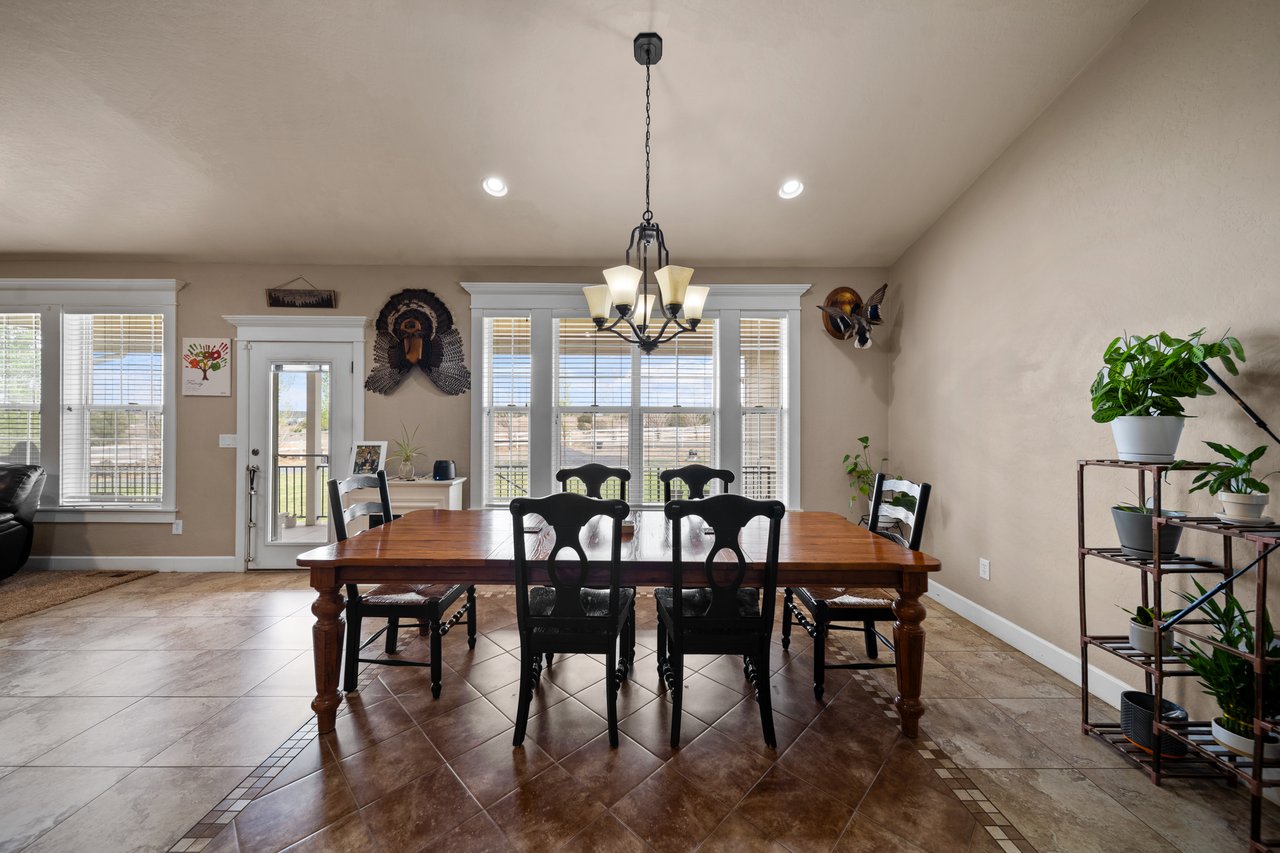
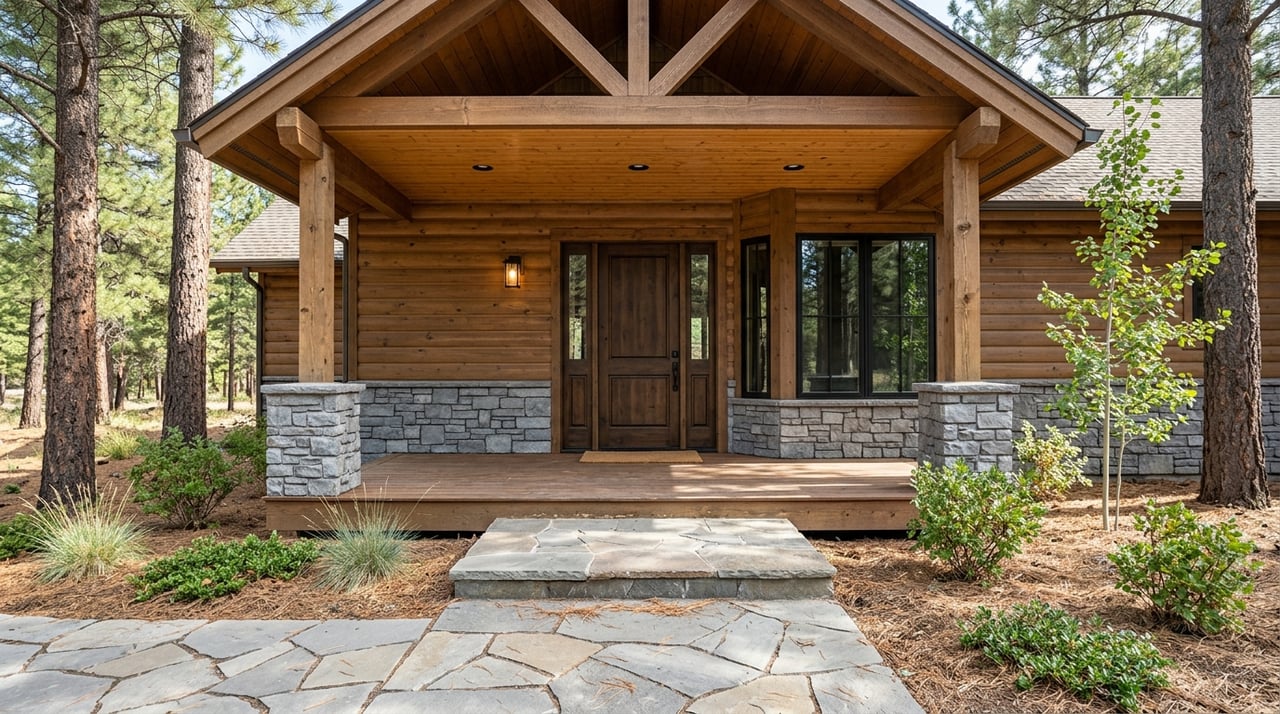
Buying a mountain home from hours away can feel like a leap of faith. You want the pines, the cooler air, and the Show Low lifestyle, but you also want to know exactly what you are buying before you commit. The good news is that remote buying in Show Low is not unusual, and with the right process, it can be clear, organized, and surprisingly smooth. Let’s dive in.
Why remote buying fits Show Low
Show Low sits in Navajo County in the White Mountains region, and the county describes the area as a recreation destination for Phoenix-metro buyers. It also notes that the region is within about four hours of Phoenix and Albuquerque. That makes Show Low a natural match for second-home buyers and out-of-area buyers who want a mountain property without making repeated trips.
For many buyers, remote shopping starts as a convenience and quickly becomes the best way to move forward. You can narrow your options from home, focus on the properties that really fit your goals, and save your travel time for the moments that matter most.
How remote buying usually works
A remote purchase typically begins with an online home search and a shortlist of properties that match your budget, goals, and must-haves. From there, you can move to live video showings or recorded walkthroughs so you get a better sense of layout, condition, and setting.
If you decide to make an offer, Arizona law allows electronic records and signatures to carry legal effect when the parties agree to transact electronically. In practical terms, that means many buyers can handle offers, counteroffers, and transaction documents online with the lender, title company, and other parties working together.
Once your offer is accepted, the transaction moves into escrow. In western states, the settlement agent is often a title or escrow company, and closing may happen by mail or online. One important timing checkpoint is the Closing Disclosure, which the borrower must receive at least three business days before closing.
A simple remote buying timeline
Here is the typical flow for a remote Show Low purchase:
- Search and shortlist homes online
- Tour homes through live video or recorded walkthroughs
- Submit an offer electronically
- Open escrow after acceptance
- Complete inspections and title review
- Review final loan numbers
- Sign closing documents
- Fund and record the deed with the county
That process may sound technical at first, but it becomes manageable when you have a clear timeline and steady communication.
What to verify on a Show Low mountain home
Mountain properties often need more research than a standard in-town resale. Photos and listing details can help you get interested, but they do not answer every practical question that matters when you are buying from a distance.
Navajo County’s Planning and Development Services office is in Show Low and provides digital permitting, a county buyer checklist, and FAQs on issues that matter to buyers. That includes zoning, restrictions, parcel jurisdiction, animals or horses, and whether a road is county maintained.
Road maintenance and access
One of the first things to confirm is road maintenance. A mountain property may look ideal online, but remote buyers should verify whether the road is county maintained and what that means for regular access.
This matters because access affects convenience, planning, and future upkeep expectations. It is one of those details that is easy to miss when you are not physically in the area.
Zoning and parcel jurisdiction
If you are buying a home, lot, or property with long-term plans, zoning and jurisdiction deserve early attention. Navajo County points buyers toward these questions because they can affect how a property may be used or improved.
That is especially important if you hope to add structures, modify the property, or buy land now and build later. Remote buyers benefit from checking these items before spending money on design ideas or improvement plans.
Utilities, septic, and well records
Utilities can be more complex in mountain areas, especially when a property relies on systems that are not obvious from a listing. Septic and private wells deserve close review because they are core parts of how the property functions day to day.
For septic systems, Arizona’s transfer inspection program is triggered by the resale of a home. The seller must retain a qualified inspector within six months before transfer and provide the inspection report to the buyer. After the transfer, the buyer has 15 calendar days to file the Notice of Transfer.
For remote buyers, the practical takeaway is simple: request septic paperwork early and track it carefully through closing. Waiting until the last minute can create avoidable stress.
Private wells also require extra attention. ADEQ says private well water quality is not regulated by the agency, and owners are responsible for maintenance. ADEQ encourages periodic water sampling and checking nearby land uses and local geology, so buyers should ask for recent water-quality results and consider testing if records are missing.
How inspections help remote buyers
Inspections do more than satisfy a contract requirement. When you are buying remotely, they help replace some of the confidence you might otherwise gain from being on site more often.
In this area, inspections can be especially valuable because mountain homes and rural properties may involve systems, site conditions, or maintenance items that are not fully visible in photos or short video tours. Clear inspection results help you understand what you are buying now, not what the listing looked like on your phone.
Remote signing and closing in Arizona
Many buyers ask the same question: do you have to be in Arizona to close? Often, no. Arizona has a clear legal path for remote notarization, and the Arizona Secretary of State says a notary may perform traditional, electronic, or remote online notarizations.
Arizona law also says that a remote online notarization satisfies laws that otherwise require personal appearance before a notary. Even if you are physically outside Arizona, the validity of that remote online notarization is determined under Arizona law.
That makes remote closing a real option for many buyers. Still, convenience works best when the process is organized and every party is using the same timeline.
Communication matters as much as technology
Remote buying is not just about digital signatures and video tours. It also depends on disciplined communication from start to finish.
The safest approach is one shared timeline, one primary contact, and one verified method for key updates. That kind of structure helps reduce confusion and keeps everyone focused on the same next step.
Wire instructions deserve special care. Federal consumer guidance warns that wire transfers are a common scam target, and scammers may use spoofed emails or last-minute changes to divert closing funds. If wiring funds is part of your closing, you should verify instructions through a trusted, confirmed method before sending anything.
What strong remote support looks like
A good remote buying experience should feel personal, not distant. You still need local guidance, steady updates, and help coordinating the moving parts.
Arizona’s Mountain Home Hunters publicly describes remote-buying support that includes virtual showings, e-signing, remote closing coordination, inspections, title, insurance quotes, and contractor referrals. For buyers coming from Phoenix, other parts of Arizona, or out of state, that kind of support can make the process feel much more manageable.
The biggest advantage is not just convenience. It is having local people in Show Low who understand the area, know what details to verify, and help you stay organized from first showing to closing day.
Best first steps for a remote buyer
If you are thinking about buying a Show Low mountain home from afar, start with the basics that shape the whole transaction:
- Define your budget and property goals
- Narrow your shortlist with virtual tours
- Ask early about road maintenance and jurisdiction
- Request septic documents and well records if applicable
- Review title and inspection findings carefully
- Plan around the Closing Disclosure timeline
- Verify any wiring instructions through a trusted contact method
These steps can help you move from browsing to buying with more clarity and less guesswork.
Remote buying in Show Low works best when you combine modern tools with local knowledge. If you want a mountain home without making the process harder than it needs to be, the right plan can help you buy confidently from wherever you are. When you are ready to explore Show Low homes with virtual tours, clear guidance, and hands-on support through closing, reach out to Paulina Schubel.
FAQs
Can you buy a Show Low home without being in Arizona?
- Often, yes. Closing may happen by mail or online, and Arizona allows remote online notarization when needed.
When do you receive final loan numbers for a remote purchase?
- You should receive the Closing Disclosure at least three business days before closing.
What should you verify first on a Show Low mountain property?
- Start with road maintenance, parcel jurisdiction, utilities, septic details, private-well records, and any permit or zoning questions tied to future plans.
Why is septic paperwork important for a remote Show Low buyer?
- Arizona’s septic transfer inspection program requires an inspection before transfer in a resale, and the buyer should receive the report and track the post-transfer Notice of Transfer deadline.
What makes remote buying easier in Show Low?
- Virtual showings, e-signing, organized communication, local due diligence, and coordinated support for inspections, title, and closing all help make the process smoother.